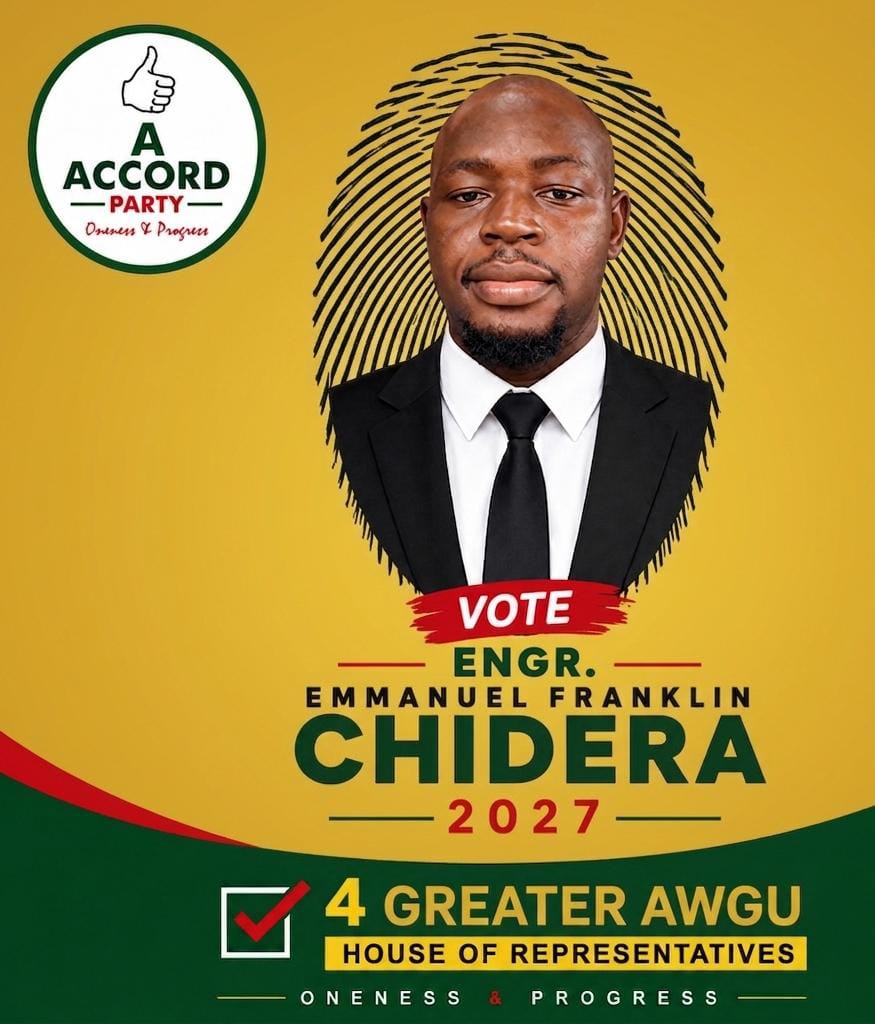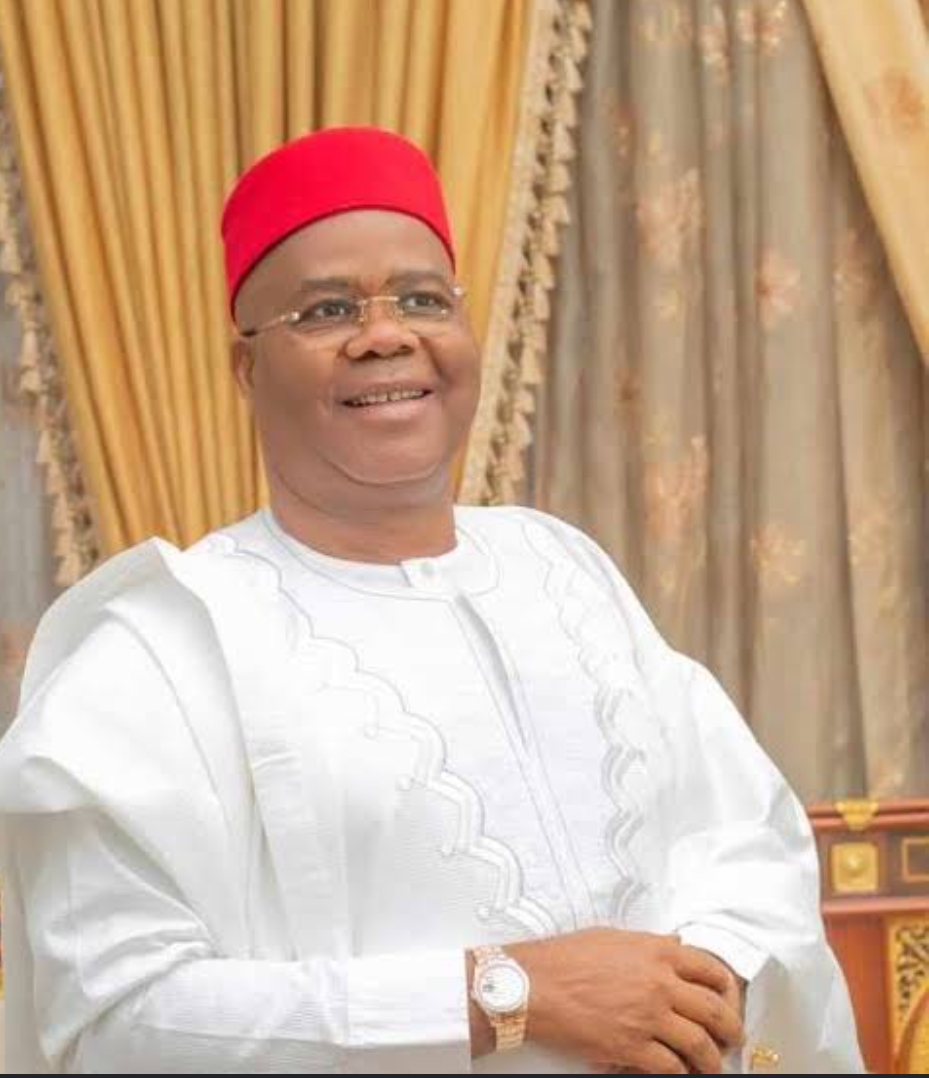


Three years in office, No verifiable tangible constituency projects in Aninri. WHERE'S THE COMPETENCE IN HON. ANAYO ONWUEGBU?
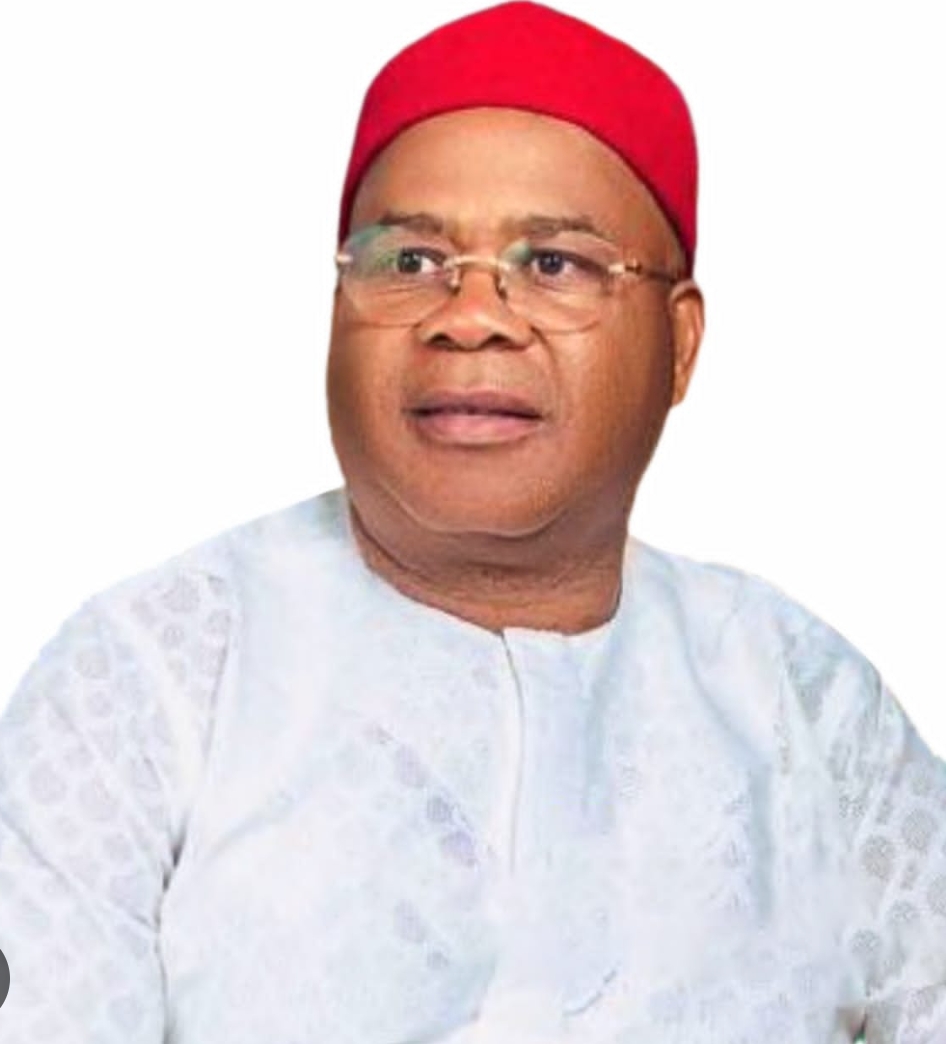

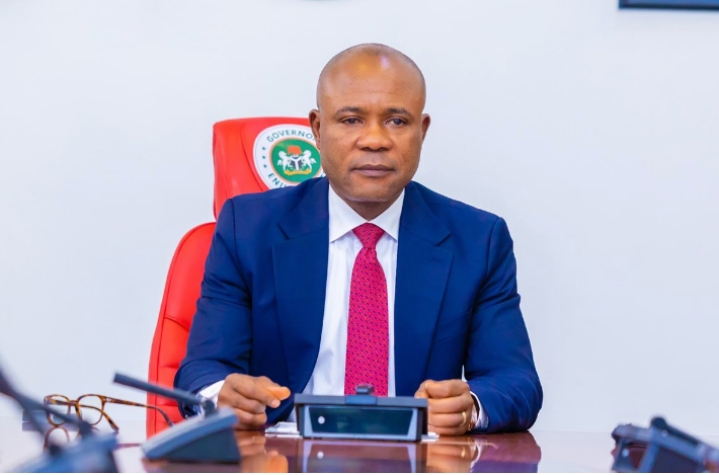
Three years into his tenure, Hon. Engr. Dr. Anayo Onwuegbu faces a fundamental question from constituents in Aninri: What tangible, verifiable constituency projects can the people point to as evidence of effective representation?
For a constituency that expects meaningful development, this is not an unreasonable question. It is a legitimate demand for accountability from an elected representative whose responsibilities extend beyond political appearances, public statements, and the pursuit of another term in office.
As conversations about the 2027 general elections gather momentum, Aninri deserves a transparent account of what has been achieved, what remains outstanding, and what residents can realistically expect from their representative.
WHERE IS THE COMPETENCE IN HON. ANAYO ONWUEGBU?
That question should not be interpreted as a personal attack. It is a demand for evidence.
Where are the constituency projects completed during his tenure? Which communities have benefited? What projects were initiated, funded, facilitated, or successfully monitored through his legislative office? What are the locations, budgets, implementation timelines, and current status of those projects?
These are the questions that should define the conversation about representation in Aninri.
If substantial achievements exist, the public deserves to see the records. If projects remain incomplete, constituents deserve an honest explanation. And if particular projects fall outside the direct control of the representative, that distinction should be clearly established.
Leadership must be open to scrutiny.
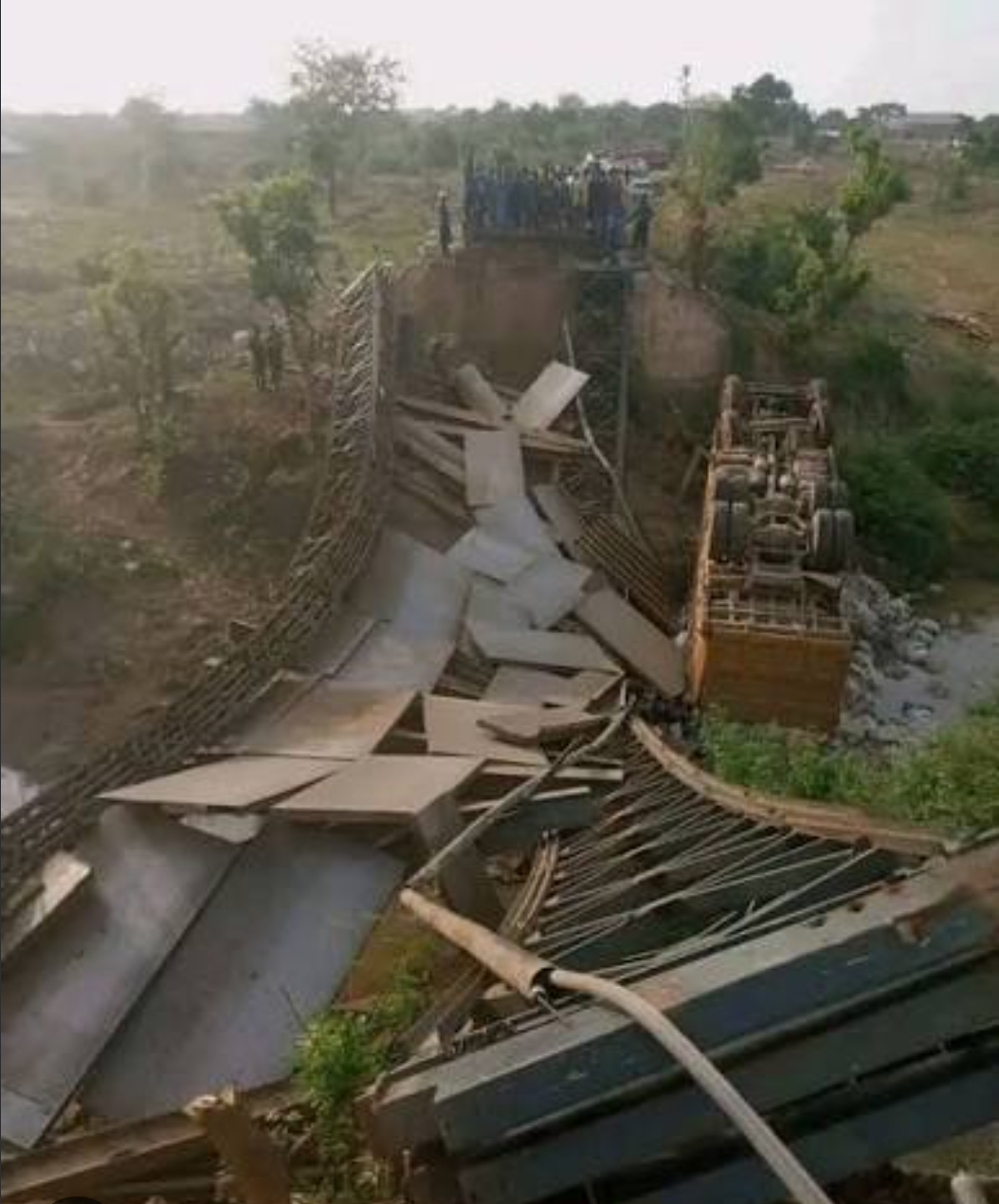
The Ivo River Dam project remains an important development issue for communities in Aninri and neighbouring areas. Its potential benefits for agriculture, irrigation, water supply, fisheries, employment, and local economic development make its status a matter of legitimate public interest.
As Hon. Anayo Onwuegbu seeks another term, constituents have every reason to ask what specific steps he has taken through the National Assembly to advance the project.
Has he pursued adequate federal budgetary provisions? What representations has he made to the relevant ministries and agencies? What official responses has he received? What progress can be independently verified?
These questions require documentary answers, not political arguments.
It would be unfair to assume that a federal legislator personally controls every aspect of a major dam project. Nevertheless, constituents are entitled to examine the representative's documented interventions, oversight activities, budgetary advocacy, and efforts to secure implementation.
The issue is not merely whether the dam has been completed. It is whether the representative's contribution to advancing the project can be demonstrated through credible evidence.
Representation should be assessed through measurable outcomes and documented efforts.
Aninri deserves a public scorecard covering infrastructure, education, healthcare, employment opportunities, youth development, agricultural support, and other constituency needs.
Such a scorecard should distinguish between projects personally facilitated by the representative, projects funded through federal programmes, projects executed by other levels of government, and projects that remain proposals.
Without that distinction, political publicity can easily become confused with actual delivery.
If Hon. Onwuegbu has facilitated projects that have significantly benefited Aninri, let the projects be identified, their locations disclosed, and their status verified. If funds were appropriated for particular projects, let the relevant budgetary records and implementation updates be made available.
The people should not have to rely exclusively on campaign posters, social media endorsements, or testimonials from political supporters to understand the record of their representative.
Public office requires public accountability.
Political supporters have every right to defend the record of a public officeholder. However, a serious defence should go beyond personal loyalty and political slogans.
If you believe Hon. Anayo Onwuegbu has performed exceptionally well for Aninri, identify the projects, provide the records, and explain the measurable benefits to the people.
Which communities have benefited? What was delivered? When was it delivered? What evidence establishes the representative's role?
These questions are not hostility. They are the foundation of informed public debate.
Equally, criticism should be evidence-based. The absence of readily available information does not automatically prove that nothing has been achieved. However, when a representative's supporters make sweeping claims about performance, they should be prepared to substantiate those claims.
Aninri deserves a debate grounded in verifiable facts rather than personal attacks or unquestioning loyalty.
One of the defining features of democracy is the right of citizens to question those who exercise public power.
An elected representative cannot reasonably expect public praise while treating scrutiny as an offence. Criticism, when responsibly presented, is part of the democratic process.
The proper response to questions about performance is not intimidation, insults, or political name-calling. It is evidence, explanation, and transparency.
Public officeholders must understand that accountability is not reserved for election periods. It is an ongoing responsibility that follows the mandate entrusted to them by the electorate.
The same standard must apply regardless of party affiliation, political alliances, or personal relationship
In politics, public perception can influence how citizens interpret a representative's record. However, perception alone is not proof of performance or failure.
That is precisely why verifiable information matters.
Where citizens believe that development has not matched their expectations, the appropriate response is to investigate the available evidence, examine official records, and demand answers from the relevant authorities.
Where achievements have been delivered, they should be acknowledged. Where promises remain unfulfilled, the reasons should be established.
Aninri must not allow political loyalty to replace evidence, nor should criticism become a substitute for facts.
The objective should be simple: a better standard of representation for the people.
Seeking re-election is a constitutional right. But asking voters for another mandate naturally invites questions about the previous one.
What has changed in Aninri during the incumbent's tenure? Which outstanding problems has he helped address? What concrete interventions can be attributed to his legislative activities? What lessons has he learned from projects that have stalled or failed to progress?
These are fair questions for any incumbent seeking renewed public trust.
The people of Aninri deserve the opportunity to examine the record, assess competing claims, and make their own informed decisions.
No public officeholder should be exempt from that process.
My concern is not about personal hatred or blind allegiance to a political party. The central issue is good governance, responsible representation, and accountability to the people.
Being critical of a public official does not automatically make someone an opponent. Likewise, supporting a politician does not make every claim about that politician's performance factual.
The standard should be consistent: verified information, public records, measurable outcomes, and the realities experienced by ordinary citizens.
Aninri deserves leaders who understand that public office is a responsibility, not a personal entitlement.
Hon. Anayo Onwuegbu's tenure and reported constituency interventions deserve a transparent, evidence-based public assessment as the 2027 elections approach.
The questions remain:
- What tangible constituency projects has he facilitated for Aninri during his tenure?
- What verifiable progress has he made regarding the Ivo River Dam project?
- What federal interventions has he secured for the constituency?
- Where can residents independently verify the projects, their funding, and their implementation status?
- What concrete commitments and timelines can he present for outstanding constituency needs?
These questions should be answered with documents, official records, and demonstrable results.
Aninri does not need political theatrics. It needs credible information, meaningful representation, and development that can be measured.
Three years in office should provide enough of a record for constituents to begin asking serious questions. As 2027 approaches, the responsibility is clear: present the evidence, explain the gaps, and account for the mandate.
The people deserve answers. And in a democracy, asking for those answers is their right.
The Voice of the Masses — Vox Populi, Vox Dei.
Leave a Reply
Your email address will not be published. Required fields are marked *